
- JOIN US


- Education
- Education projects
- Community development
- Community development projects
- JOIN US
- Partner with us
- Become a corporate partner
- More ways to get involved
- Fundraise
- Do your own thing
- Walk Her Way
- JOIN US
- Why education?
Our Stories
Sustainability, local leadership and impact: Reflections from So They Can’s 2026 Immersion Trip with Georgie Herb, So They Can Board Director
Published 7th Jul, 2026
Every year, So They Can’s Founder and CEO, Cassandra Treadwell, takes So They Can Board Directors and engaged supporters to visit our teams and programs in Kenya and Tanzania.
These Immersion Trips are a transformative opportunity for our Board Directors and supporters to deep-dive into So They Can’s programs, understand the specific economic, political and cultural context we are working in, and appreciate the urgency of our work. It is also a vital opportunity to meet with our 43 local implementing staff on the ground.
On our latest Immersion Trip was Georgie Herb, a Board Director with So They Can Australia. With a background in finance, and a passion for social justice, gender equality and education for all, in this interview we explore what the experience meant to Georgie.
When did your journey with So They Can start and why?
I first came across So They Can when my husband joined the Chain Reaction bike ride, riding 1,000km in a week to raise funds for kids in need. We then decided to sponsor a child for each of our three children to help them understand how others’ lives are different to our own. As we continued to develop our family’s giving in a more structured way, we decided that education and poverty were two key pillars we wanted to focus on. Upon meeting Cass, we knew we had found our fit — it was clear there was a common belief in the power of education for all.
I then joined So They Can’s Australia Board in 2025. I hadn’t expected to be able to visit the programs in person quite so soon, but when this year’s trip came up and the calendar was free, my husband and I decided that we needed to make it work. I am so glad that we did.
What did the Immersion Trip teach you about So They Can’s model?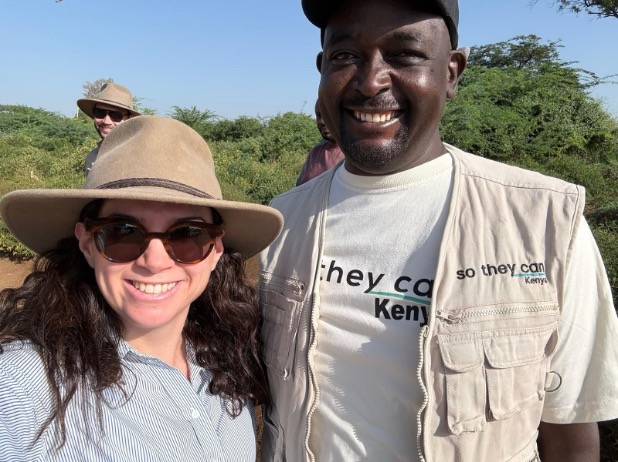
The Immersion Trip was pivotal in allowing me to understand how So They Can’s 2 overarching programs (the Education Program and Community Development Program), and the 13 projects underneath these programs, fit together to create a holistic approach to sustainable development. It was also a privilege to get to meet So They Can’s implementing staff in person, including Boniface Mouti, Roselyne Mariki and James Wabara.
When I first met the So They Can team in Kenya, I asked “what is your favourite project, which has the most impact?”. By the end of our first school visit I realised that this was the wrong question entirely. A single project doesn’t result in lasting change. What good is a new classroom and clean working toilet facilities without a farming program to feed children and encourage attendance at school? The Immersion Trip demonstrated to me the huge importance of each discrete project, but also that it is only when these 13 projects work together that long-lasting change is fostered.
What were some of your key takeaways from the Immersion Trip?
The key takeaway for me was learning about what sustainability looks like in practice in international development. Through visiting So They Can’s Education and Community Development Programs, and having long discussions with implementing staff and communities, I had the opportunity to see development in action. So They Can’s model started with Aberdere Ranges Primary School in 2010, and has since developed into a well formulated and locally-led conception of development — mainstreamed throughout all 13 projects as So They Can’s “Sustainable Schools Development Model”.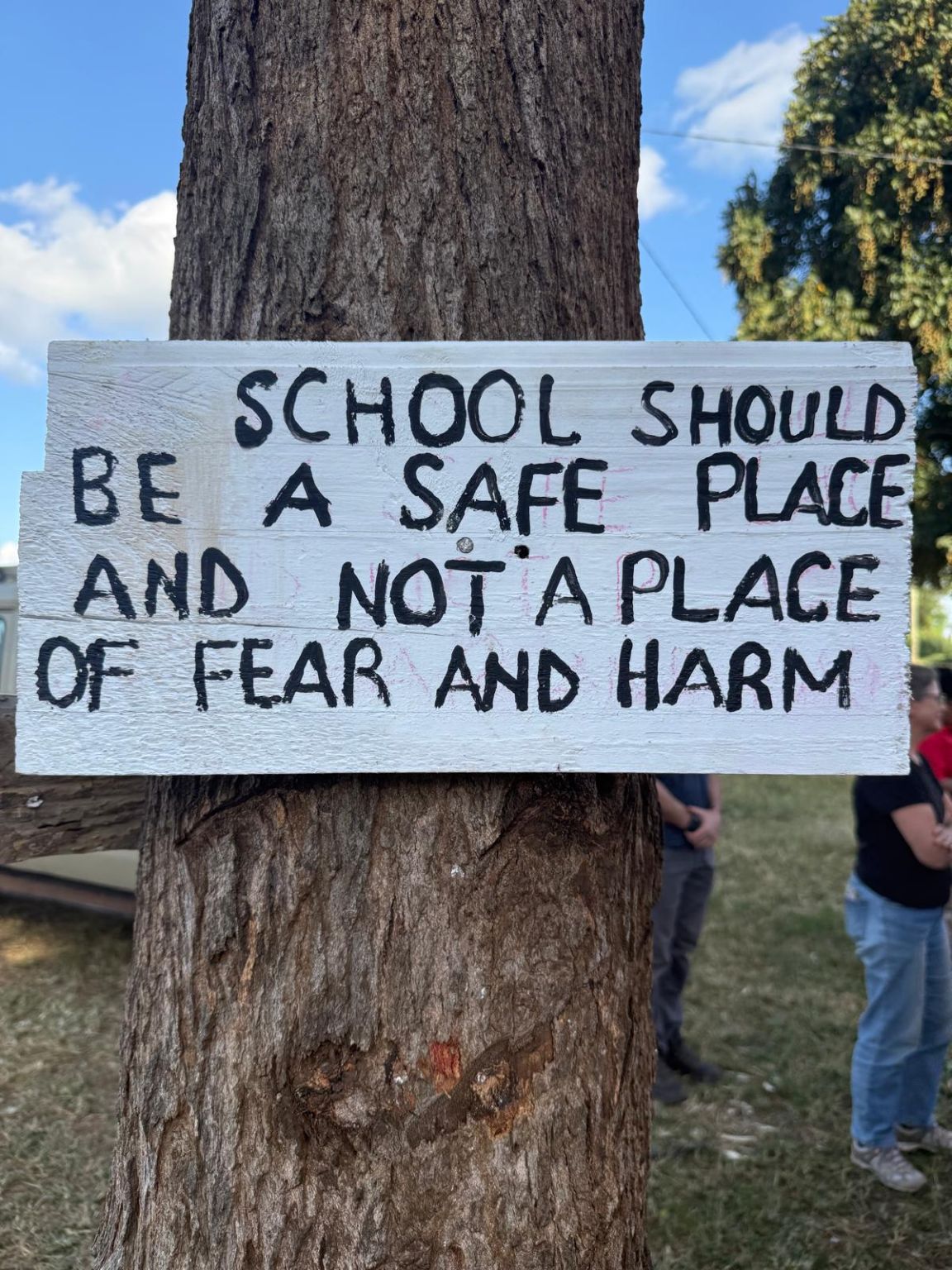
What advice would you give to others interested in supporting So They Can?
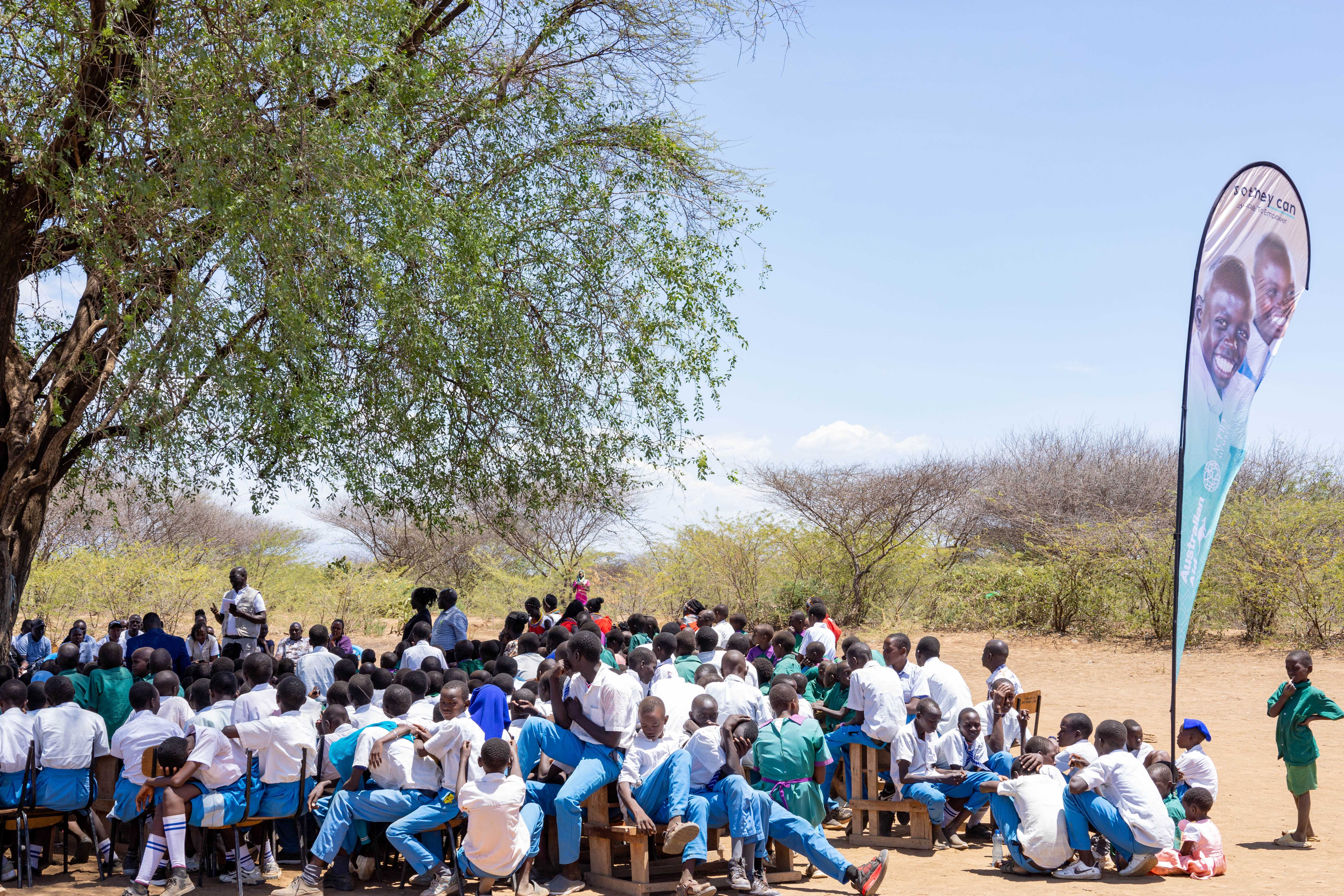
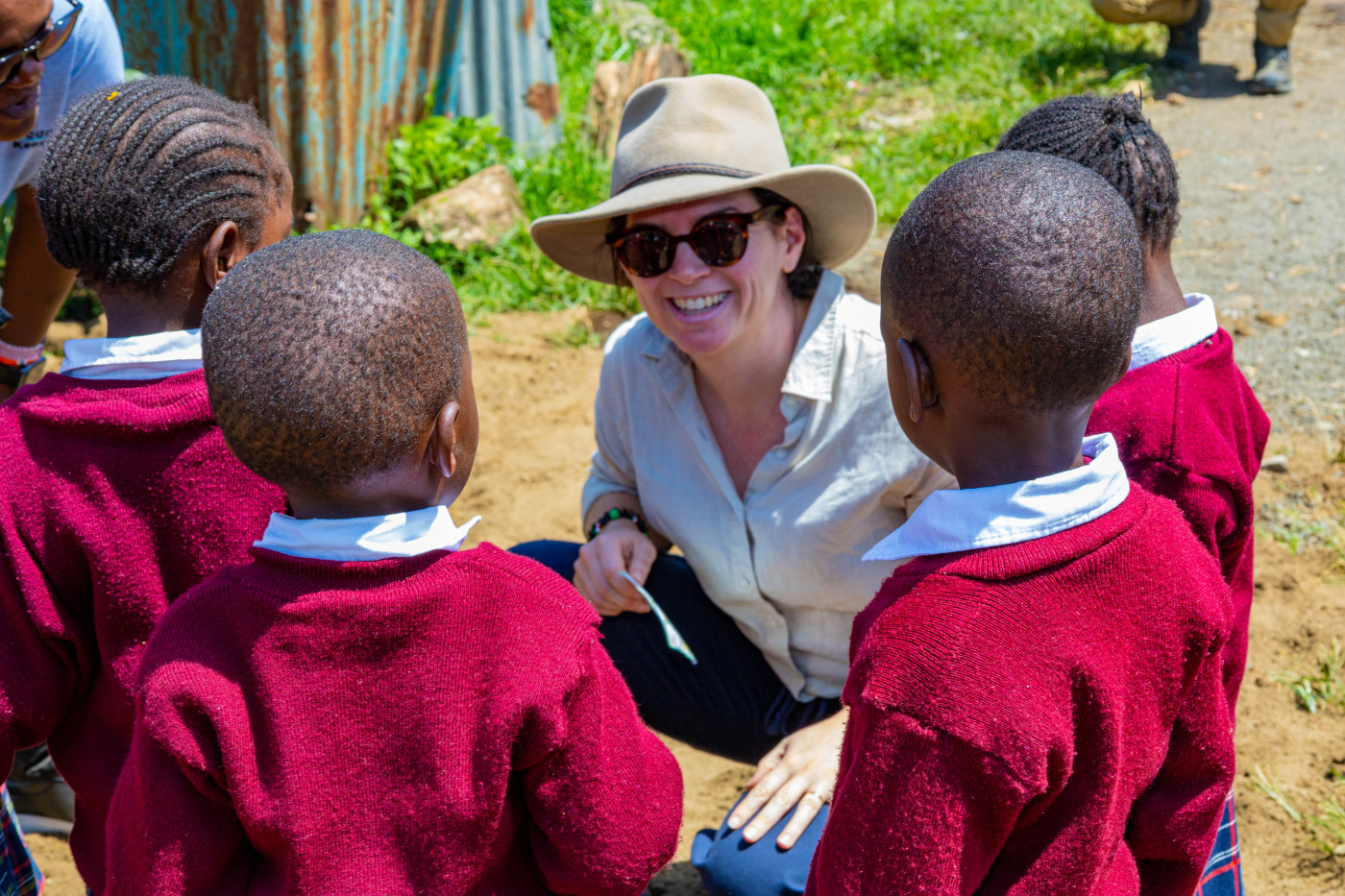
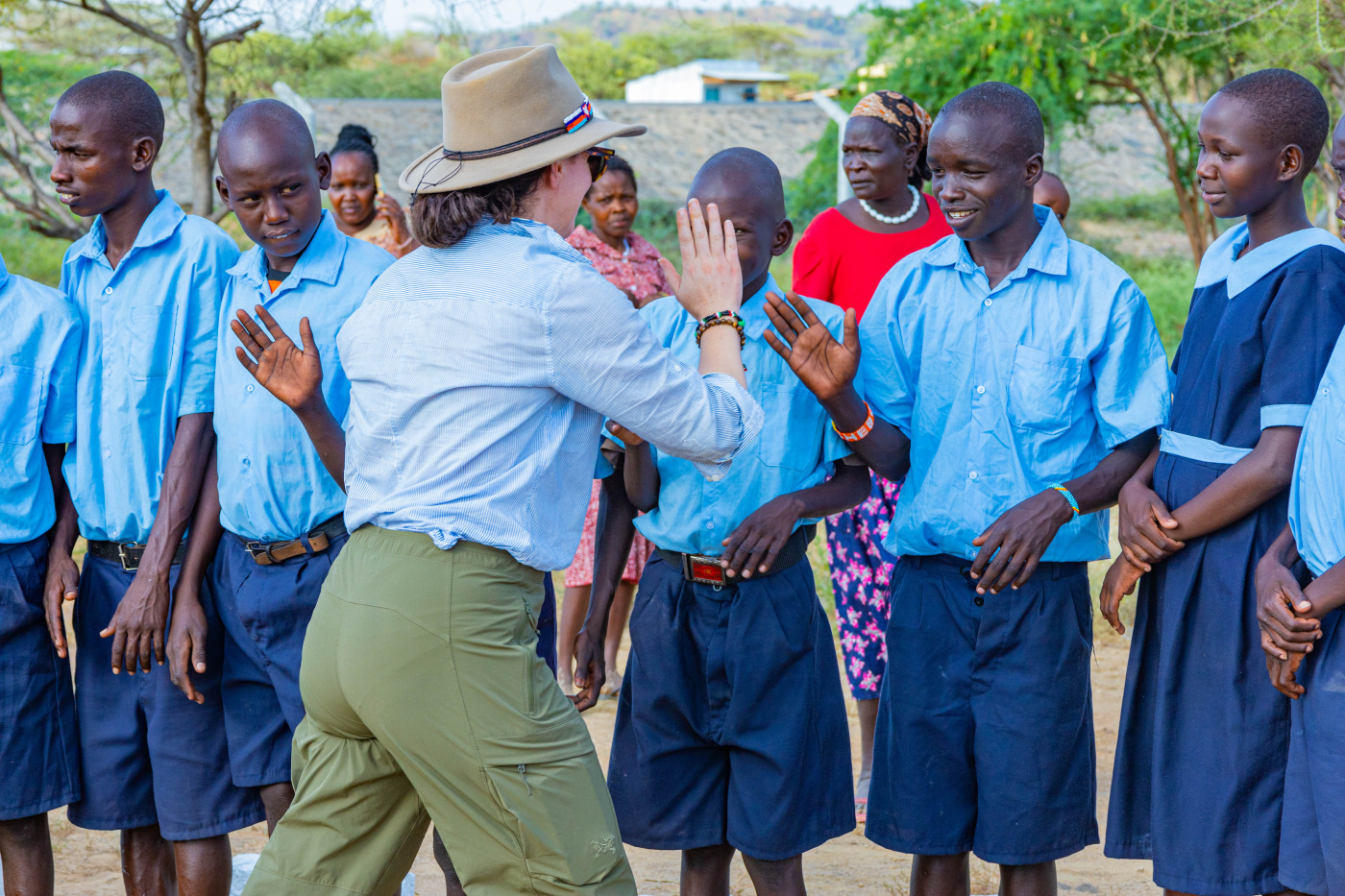
The Immersion Trip was so important for me in understanding the realities and the urgency of the situation. Having the privilege to meet so many smiling faces is something that will stay with me forever. Visiting Perkerra Primary School in Baringo County Kenya was particularly eye-opening for me. With more than 300 students from one of the most remote, underserved and dangerous areas of Kenya, the school has achieved food sustainability for its students. In short, the Immersion Trip reaffirmed my commitment to do as much as I can, and captured the powerful role that we as Australians can play in this process. What I didn’t expect was how much I got back from the trip – giving is genuinely as good for us as it is for the people we’re trying to help
Join our mailing list
Together we can be the difference. Subscribe to our newsletter today.


So They Can is accredited by the Australian department of Foreign Affairs and Trade (DFAT), responsible for managing the Australian government’s development program. So They Can receives support through the Australian NGO Cooperation Program (ANCP).


So They Can is a registered charity in Australia (ABN 91 138 063 475), New Zealand (CC # 45673), a registered 501(c)(3) not-for-profit in the USA (EIN 47-1079440), and a UK charity with the Registered Charity Number 1213084.