
- JOIN US


- Education
- Education projects
- Community development
- Community development projects
- JOIN US
- Partner with us
- Become a corporate partner
- More ways to get involved
- Fundraise
- Do your own thing
- Walk Her Way
- JOIN US
- Why education?
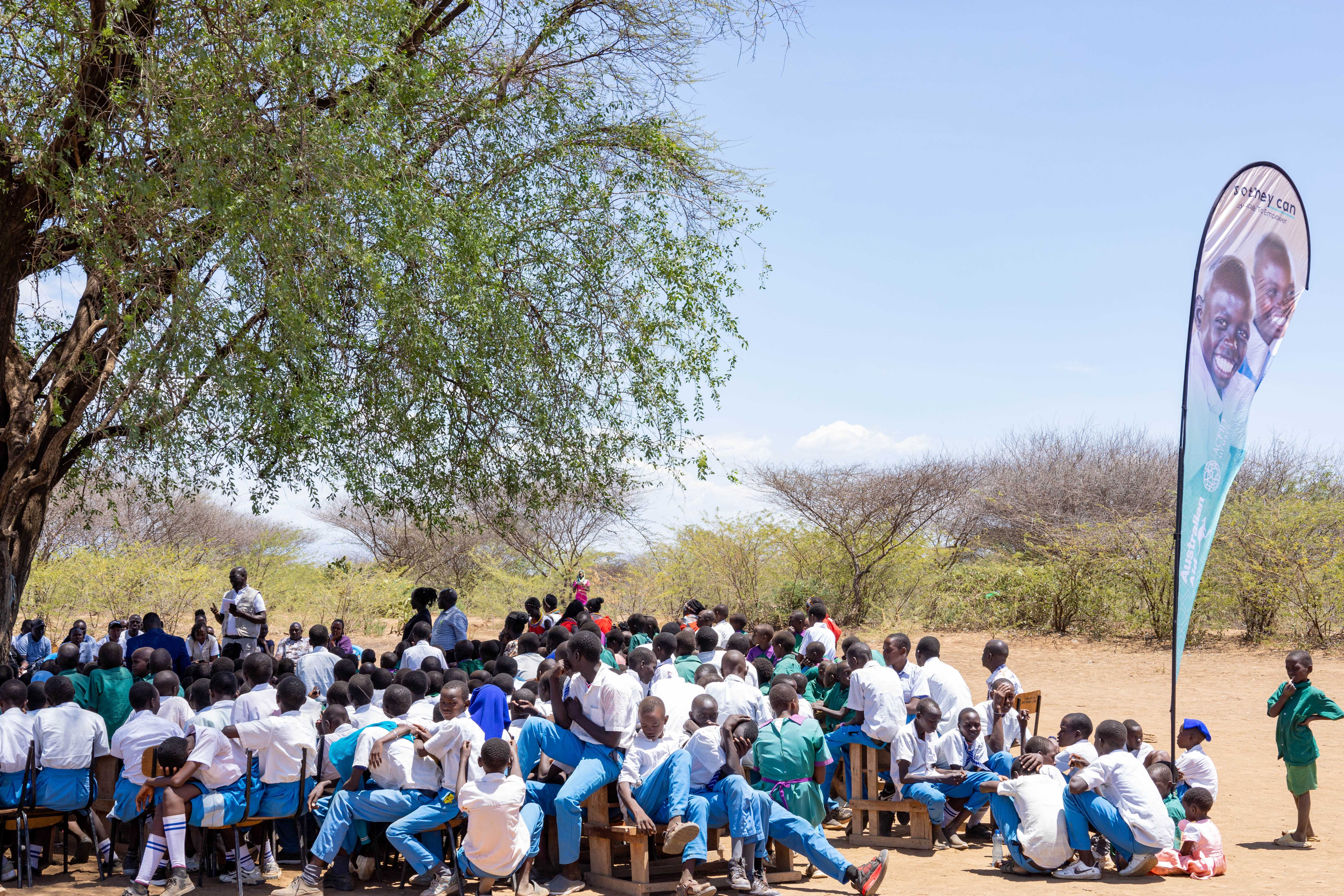
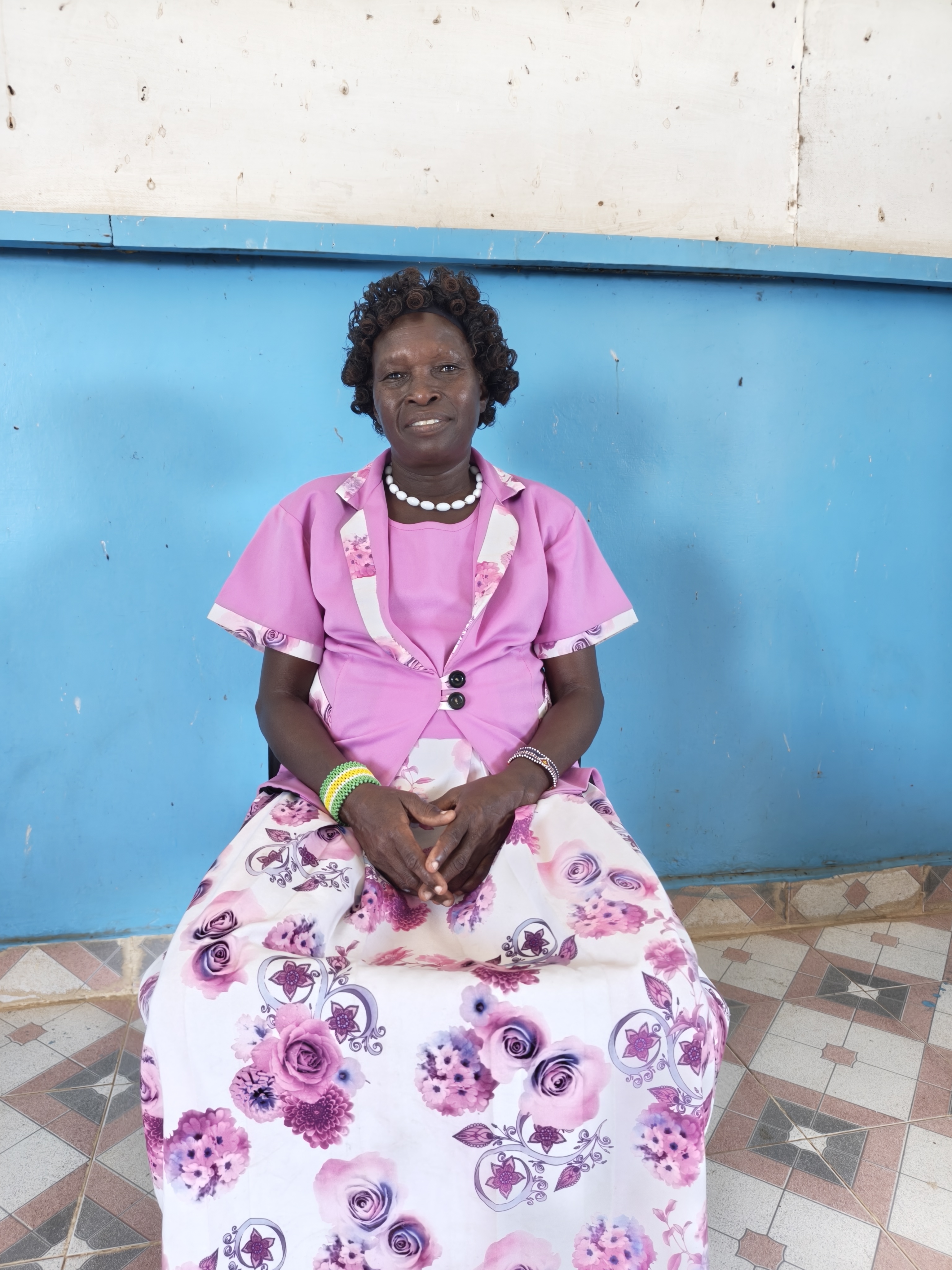
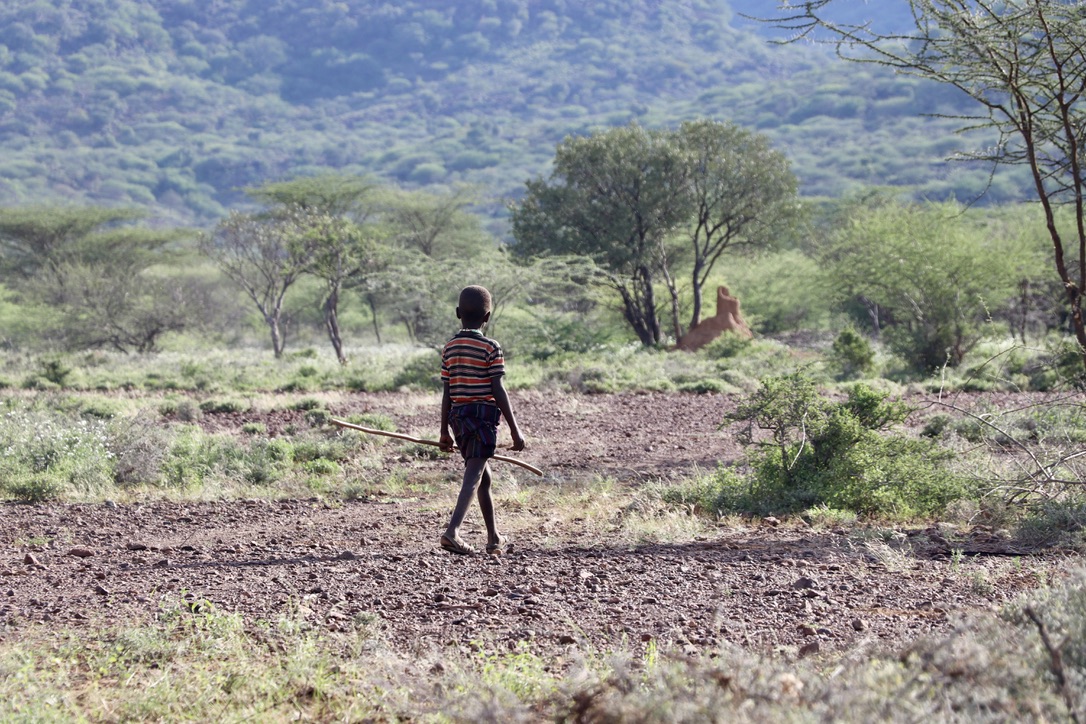
WHY EDUCATION
We believe that education is the key to breaking the poverty cycle, for good.
- Home
- Why Education?
The problem
1 in 5 children in sub-Saharan Africa is not in school.
Today, nearly 3 in 4 of the world's children living in extreme poverty are in sub-Saharan Africa.
Sub-Saharan Africa has the highest rate of learning poverty in the world: 9 in 10 children cannot read and understand a simple story by age 10.
In sub-Saharan Africa, 1 in 3 girls is married before age 18, the highest rate in the world.
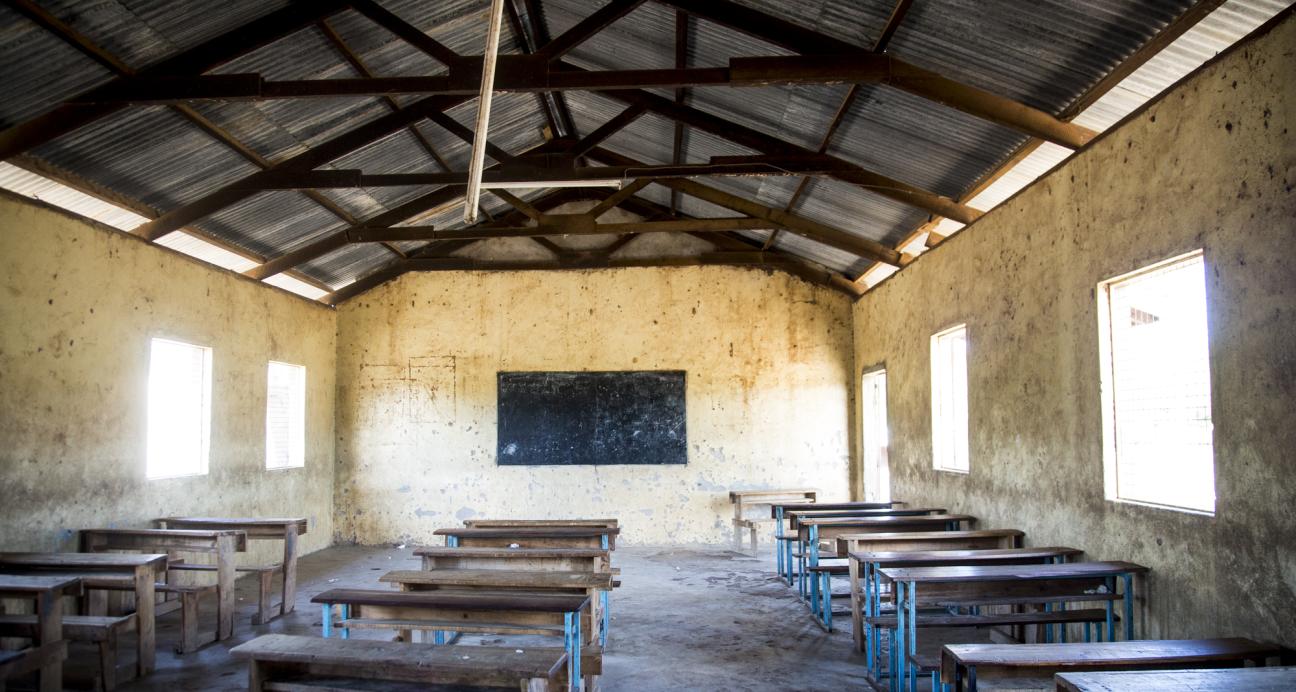
Our Partner Communities
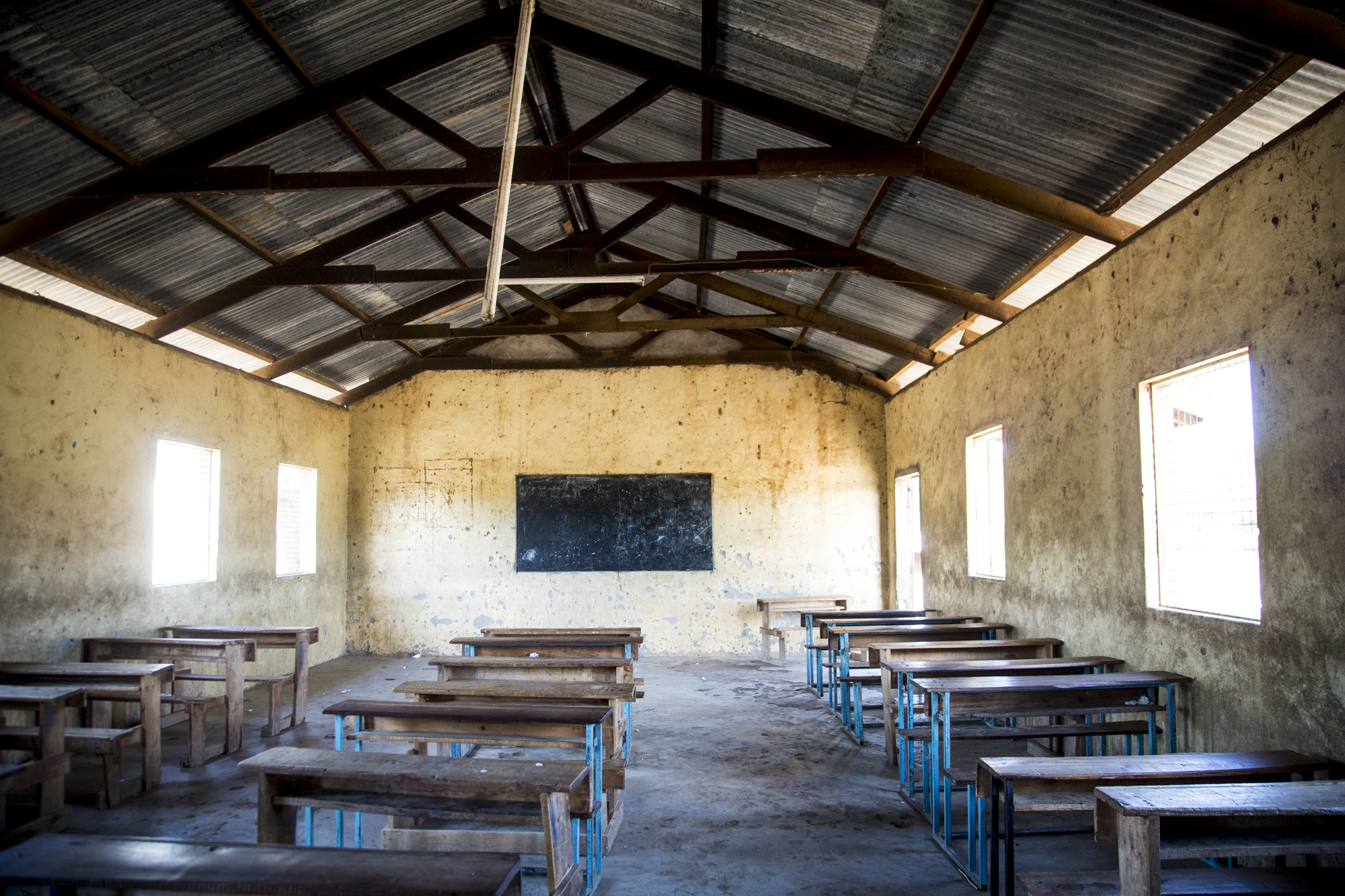
In Kenya and Tanzania, universal access to education is supported by national governments through fee-free primary and secondary education policies. But in reality, government resourcing has not kept pace with demand, leaving many schools without the infrastructure, staff, or support they need to deliver on that promise.
The leading causes of low attendance, performance and transition are: severely under-resourced schools lacking safe, inclusive infrastructure; a shortage of qualified teachers; multi-dimensional poverty; and limited community awareness of the value of education.
Education changes everything.
The transformative role of education in breaking the cycle of poverty is clear.
World Bank research shows that each additional year of schooling raises a person's earnings by roughly 9–10% on average worldwide — a return first identified fifty years ago and reconfirmed as recently as 2024.

Delivers quality education

Breaks the poverty cycle

Empowers child protection
Strengthens vulnerable families
Stops child marriage

Closes the inequality gap

Strengthens economies

Improves community health
Supports climate change
The Gender Gap
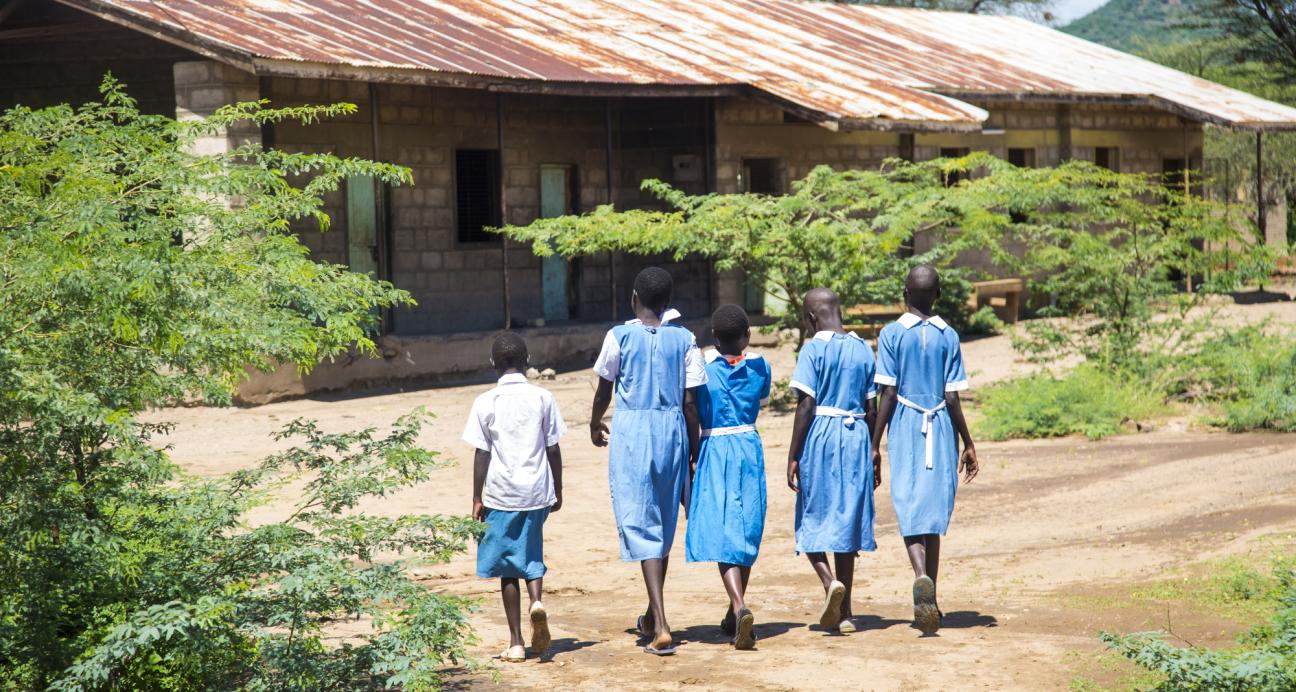
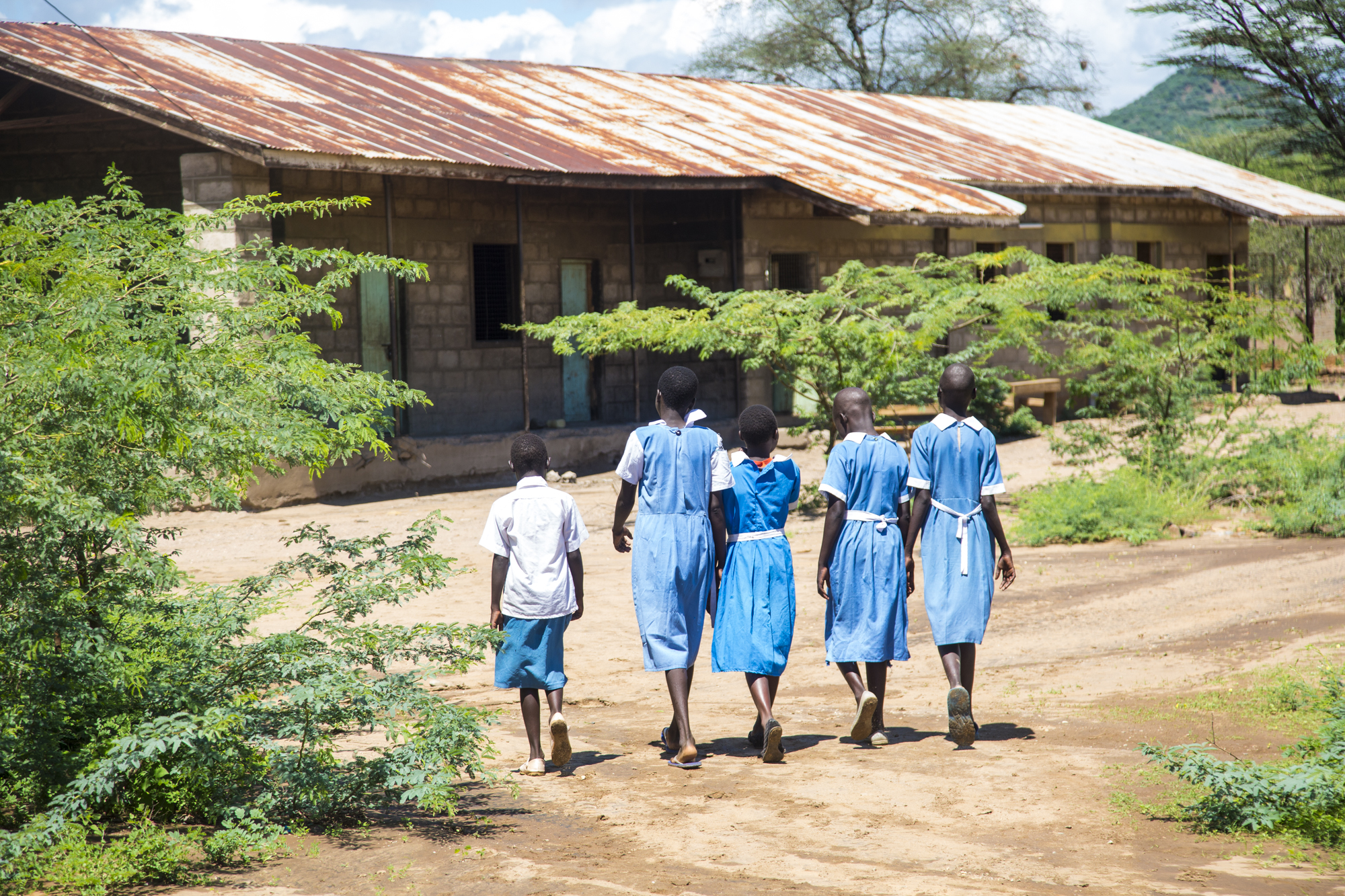
Compounding the effects of poverty, Sub-Saharan Africa has more out-of-school girls than any other region in the world.
In Kenya and Tanzania, girls and women face disproportionate barriers to accessing their right to education - driven by poverty, harmful cultural norms, and inadequate access to resources. Female Genital Cutting (FGC), child marriage, early pregnancy, and forced child labour are daily realities for many girls born into So They Can's partner communities:
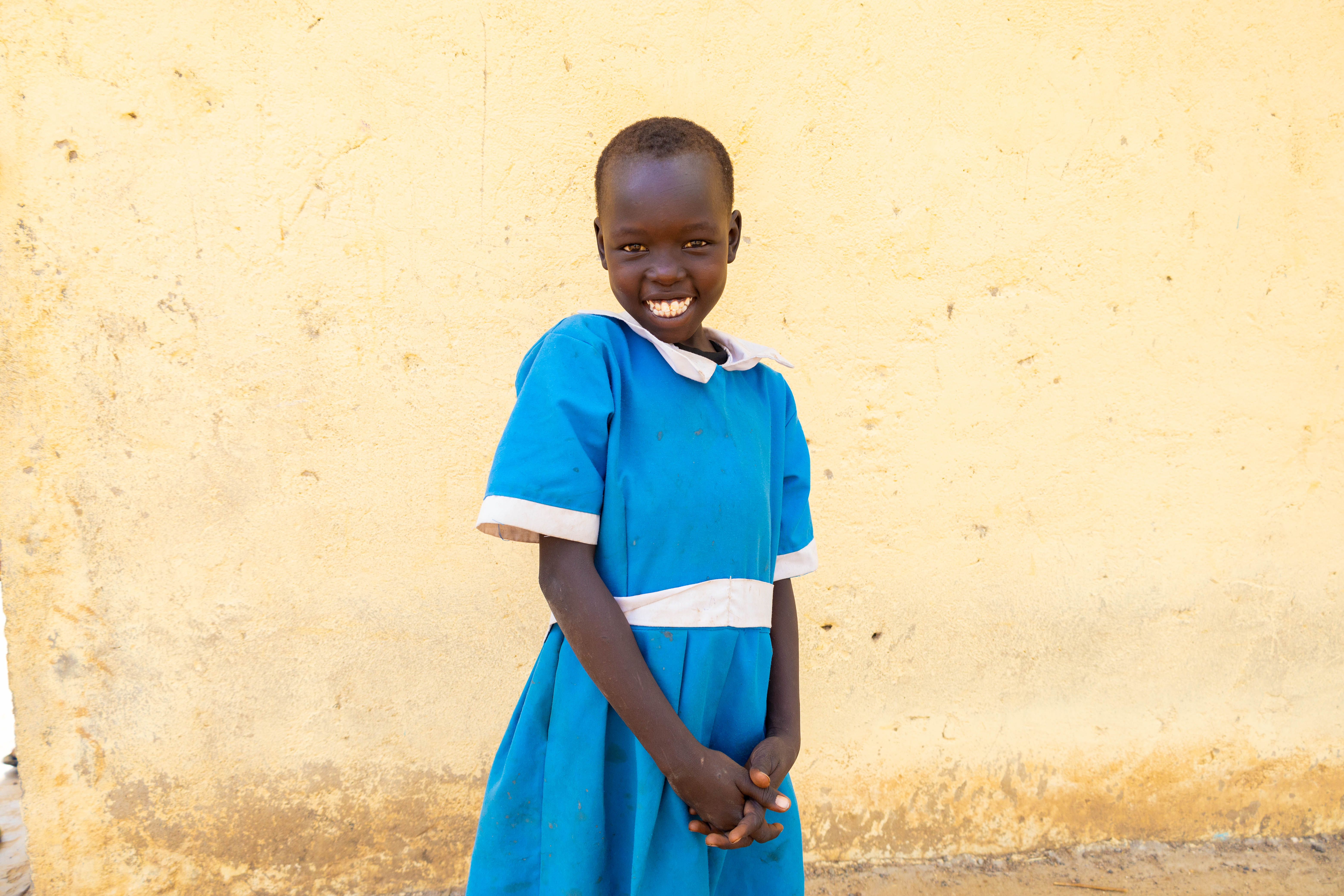
Chamkal's Story
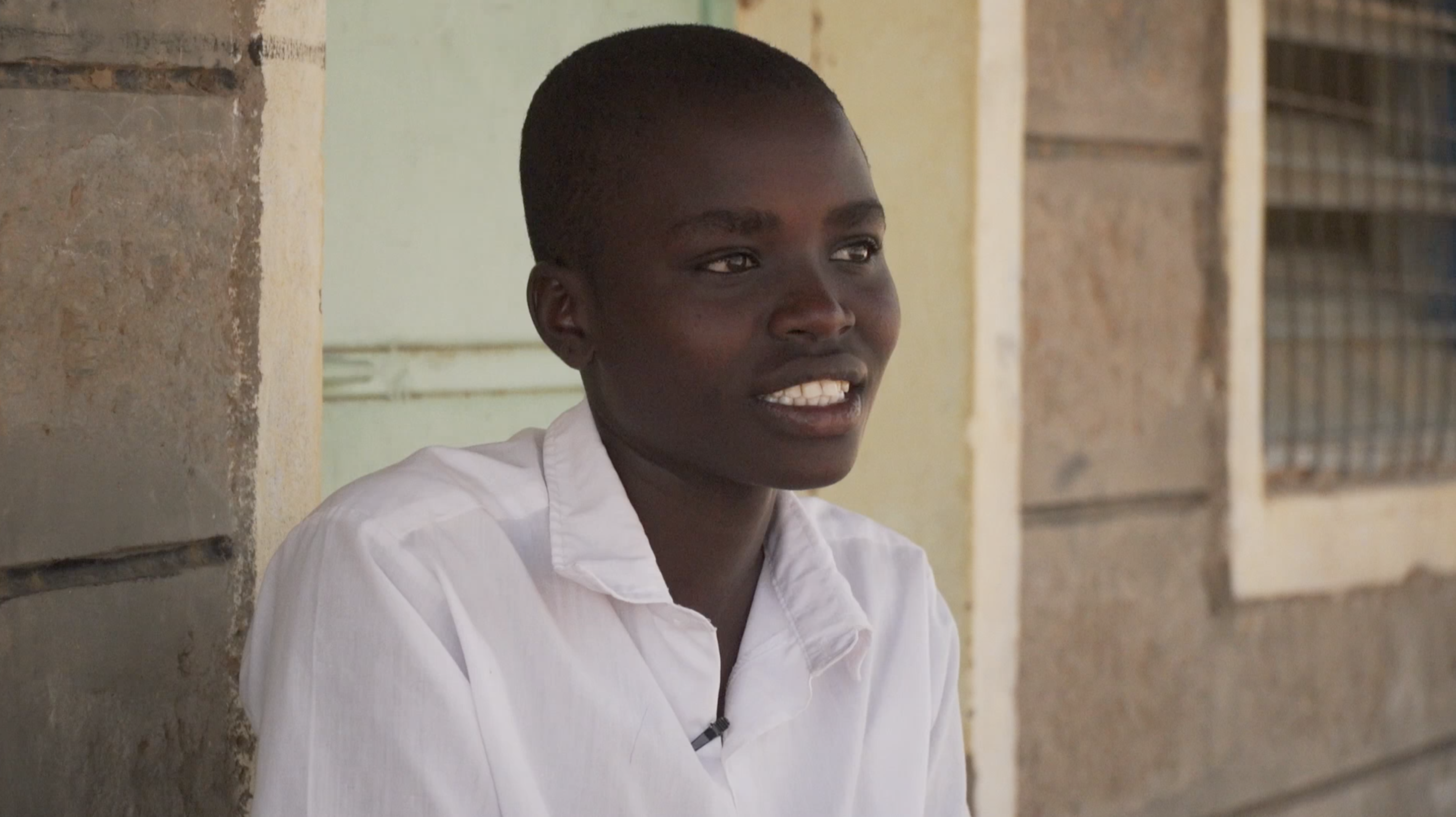
“So They Can’'s work for girls' education has been simply revolutionary. Just a few years ago, most girls were condemned to an early marriage, early motherhood, lifetime of servitude. Now they are defying all odds and daring to dream big. We see girls topping exams, captaining debates, even winning science fairs! It's no longer a question of if they will complete school, but how far they will go."
Gender Desk Representative
Manyara, Tanzania
What we do
Empowering
Children in Kenya and Tanzania through access to quality education, supporting 57 partner government schools and ensuring children stay in school and thrive.
Training
Over 600 teachers trained annually, improving the quality of education in communities and enhancing the learning environment for thousands of students.
Strengthening
Communities through our Community Development Program, including support through local health clinics and medical camps, women's empowerment initiatives and family strengthening, to improve wellbeing and economic stability.
Building
Critical infrastructure like classrooms, sanitation facilities, water solutions, and dormitories in partner schools to create safe, conducive learning environments.

Establishing
School feeding programs and resources for student wellbeing, including access to clean water, nutrition, and improved hygiene.
Advocating
For gender equality and against harmful practices like female genital cutting, child marriage and forced labour, ensuring every child can stay in school and complete their education
How we work
Discover our impact
Join our mailing list
Together we can be the difference. Subscribe to our newsletter today.

So They Can is accredited by the Australian department of Foreign Affairs and Trade (DFAT), responsible for managing the Australian government’s development program. So They Can receives support through the Australian NGO Cooperation Program (ANCP).


So They Can is a registered charity in Australia (ABN 91 138 063 475), New Zealand (CC # 45673), a registered 501(c)(3) not-for-profit in the USA (EIN 47-1079440), and a UK charity with the Registered Charity Number 1213084.