
- JOIN US


- Education
- Education projects
- Community development
- Community development projects
- JOIN US
- Partner with us
- Become a corporate partner
- More ways to get involved
- Fundraise
- Do your own thing
- Walk Her Way
- JOIN US
- Why education?
Our Stories
Addressing the more complex barriers to education: Kenya’s Community Development Program
Published 26th Mar, 2026
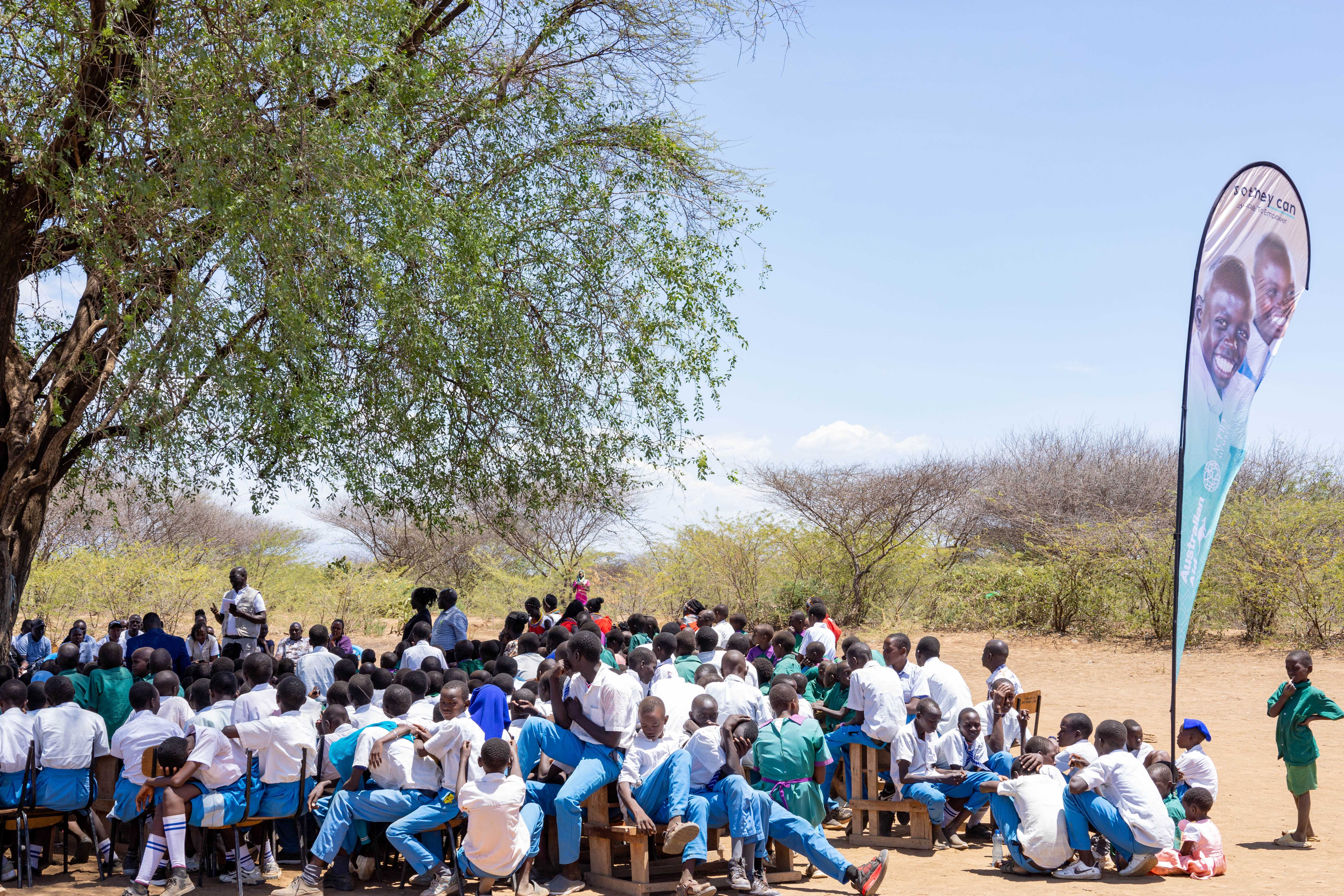
At So They Can, it is through our Education Program that we implement all the essentials for quality education – from infrastructure to teacher training to school management. However, achieving our ultimate aim of tackling poverty through access to quality education also requires a deep, nuanced and culturally appropriate understanding of the multiple barriers that exist to education. In line with the United Nations, it means understanding that poverty is multidimensional and requires a holistic approach.
This is why our 100% local team in Kenya also delivers our comprehensive “Community Development Program”, alongside our Education Program, to tackle the additional barriers to education. In 2025, we implemented our three core projects under our Community Development Program: the “Family Strengthening” project, “Wezesha Business Skills” project and “Community Health” project.
In 2025, 18,758 community members were reached by our Community Development Program in Baringo and Nakuru counties. Since 2009, a total of 35,600 community members have been reached.
Family Strengthening project
Our Family Strengthening project promotes the importance of child protection and rights, the holistic development of each child and strives to economically empower families to support the education of their children over a 3-year period. In 2025, 32 families and 152 children were supported with school requirements. 48 parents or caregivers also attended business skills training throughout the year.
In 2025, 11 new families in Perkerra demonstrated the impact of the Family Strengthening project by working together as a collaborative. With a loan from So They Can, they leased six acres of farmland to launch an Income Generating Activity (IGA). Together, they harvested 9,000kg of maize and, through an agreement with the Kenya Seed Company, sold it for $10,000. By pooling resources, the families increased their average monthly income from $70 (KSH 6,000) to $109. Each family has also committed to reinvesting $253 into their farming collective for 2026, with profits projected to increase with a new land lease.

Families in our Perkerra Family Strengthening project in 2025 with So They Can’s staff members Joshua Ikaro (Program Officer), Wilkister Akinyi (Education Program Manager), and James Wabara (Head of Community Development Program).
Community Health project
Through our Community Health project we work in partnership with communities in 2 government health clinics in Kenya. Our partnership with Chesirimion and Nakoko Health Clinics improves access to education, medical care, maternal & newborn services, nutrition, hygiene and sanitation. In 2025:
- 12, 371 patients were treated in our two partner Kenyan clinics.
- 25 government Community Health Promoters (CHPs) undertook 2,159 household visits.
- 197 babies were safely delivered.
- 140 Mama Packs with newborn essentials, were distributed to mothers who delivered at Chesirimion Clinic.
- 2 outreach medical camps were held, delivering basic health services to 3,208 remote community members.
‘The clinic being supplied with resuscitation equipment and Mama Packs has played a major role in encouraging mothers to consider safely delivering at the facility.’ Agnes, the Nurse-in-Charge, Chesirimion Clinic in Baringo, Kenya.
Women’s Empowerment project (Wezesha Business Skills)
Through our Women’s Empowerment project, our goal is to empower 3,600 women in Kenya by 2030 to live a more financially stable life, contribute to their children’s education and actively participate in the economy. One powerful example and advocate for our Women’s Empowerment project in 2025 was Joy.
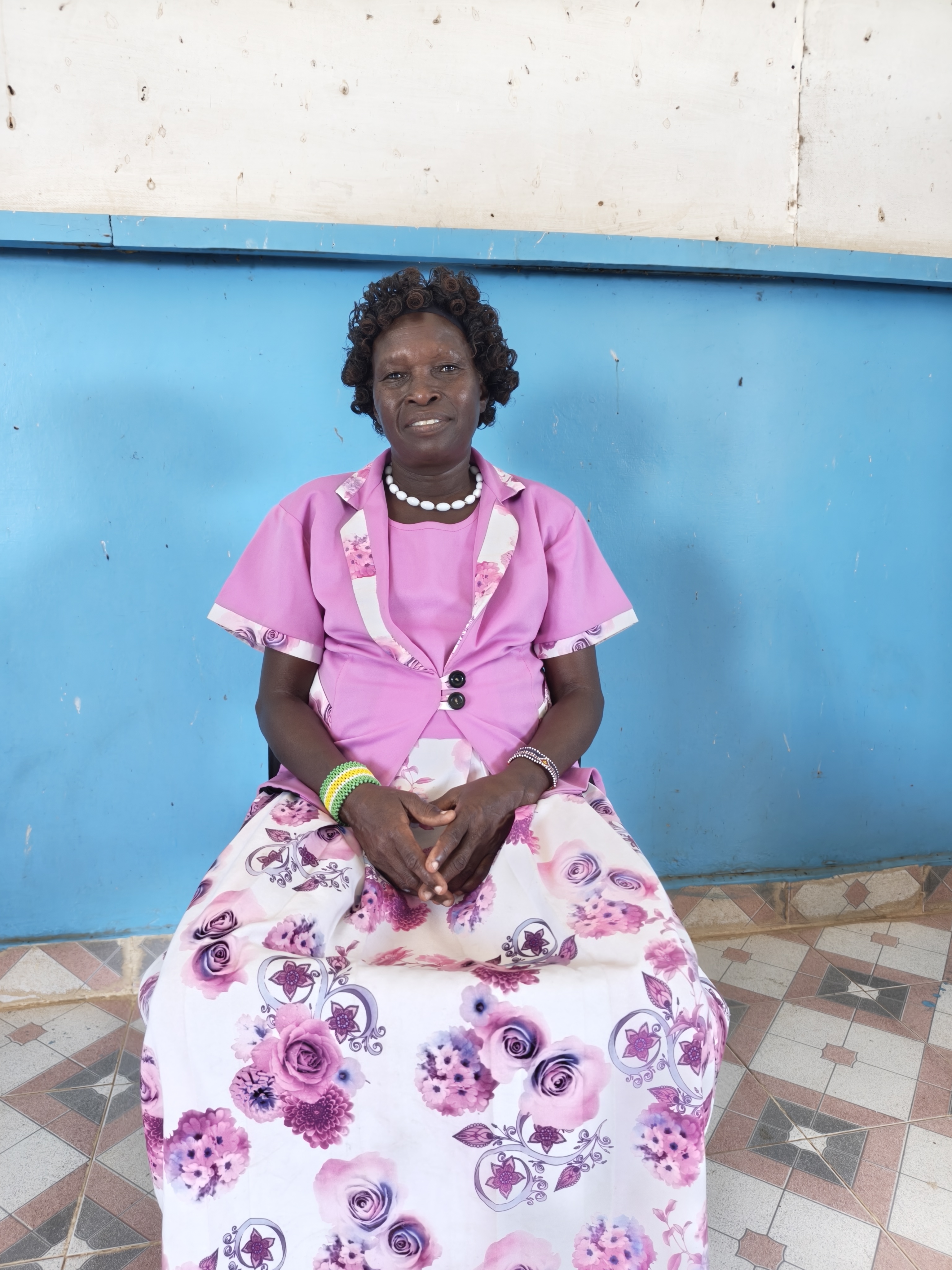
At 32, Joy is a mother of three and caregiver to two stepchildren. After struggling with secondhand clothes sales and casual jobs, in 2025, Joy participated in a So They Can business skills training and received a KHS 10,000 loan ($108). Through this loan she was able to secure a small fruit stall and expand her stock. Today, her sales average KHS 1,500 per day, where she earns KHS 300–450 in profit. She is repaying her loan on time and dreams of opening a fruit juice parlor. She is confident that her growing income is transforming her family’s future.
In 2025, through our Women’s Empowerment project:
- 160 women were trained in business skills.
- $9,797 in loans were disbursed to women, with 74% on-time repayment rate on loans.
- In 2024, 3 “WBSP mentors” were introduced in Nakuru. In 2025, 2 new Baringo WBSP mentors were added.
Thank you to our team in Kenya for their ongoing work and commitment to community development in 2025.

The Ng’ambo Women’s Dancers Group pictured here, have 25 women in their group in total, and again support through So They Can’s Wezesha Business Skills Project.
Join our mailing list
Together we can be the difference. Subscribe to our newsletter today.


So They Can is accredited by the Australian department of Foreign Affairs and Trade (DFAT), responsible for managing the Australian government’s development program. So They Can receives support through the Australian NGO Cooperation Program (ANCP).


So They Can is a registered charity in Australia (ABN 91 138 063 475), New Zealand (CC # 45673), a registered 501(c)(3) not-for-profit in the USA (EIN 47-1079440), and a UK charity with the Registered Charity Number 1213084.