
- JOIN US


- Education
- Education projects
- Community development
- Community development projects
- JOIN US
- Partner with us
- Become a corporate partner
- More ways to get involved
- Fundraise
- Do your own thing
- Walk Her Way
- JOIN US
- Why education?
Our Stories
Our Sustainability Model in Action
Published 12th May, 2026
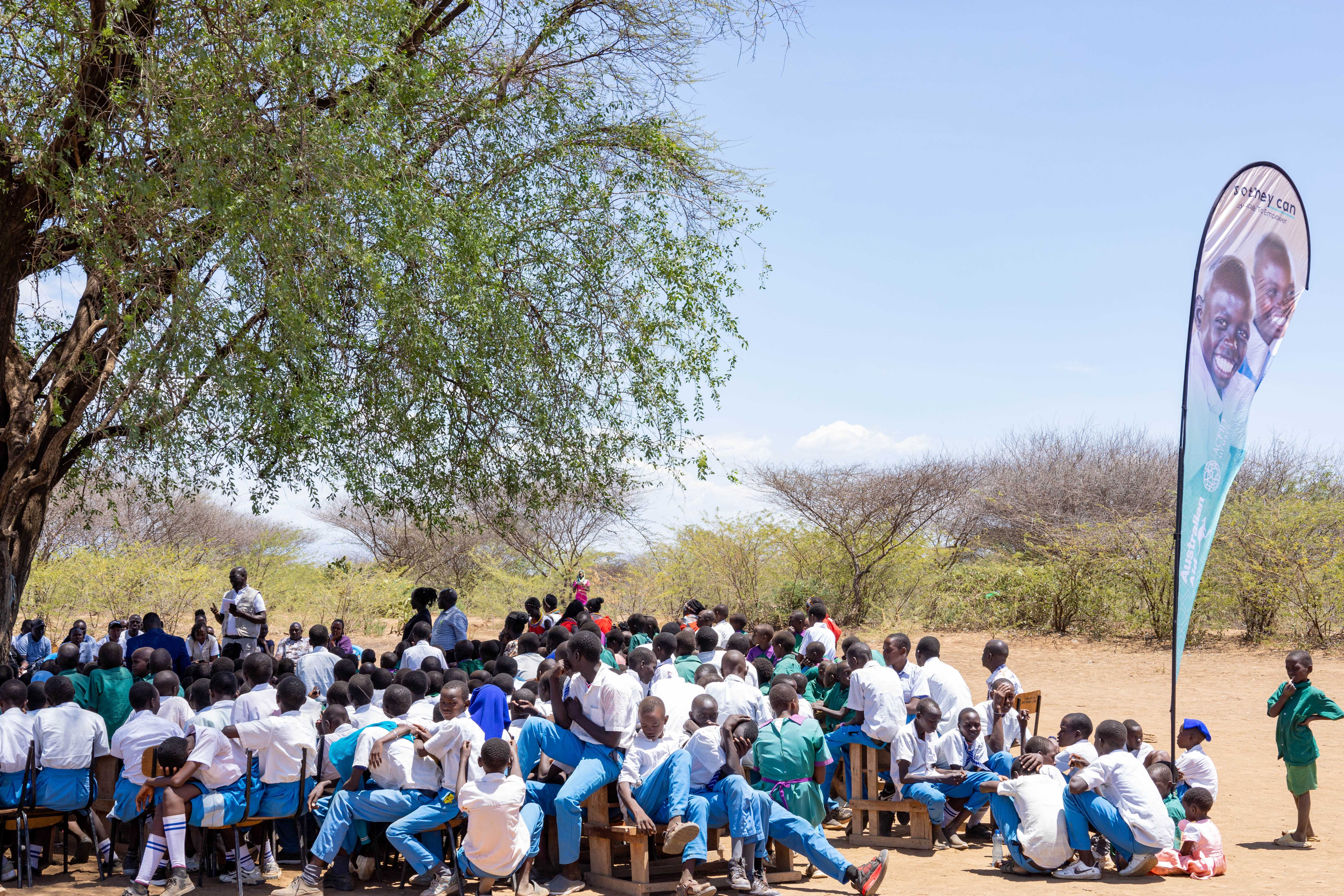
Time and again, it has been shown that when international development support is delivered through short-term projects or relies too heavily on external implementers, communities can be left no better placed to sustain change than they were before a partnership began.
At So They Can, we challenge outdated models of external and short-term aid. Our newly published Sustainability Model Executive Summary sets out exactly how we do this with our partner school communities in East Africa.
Why sustainability matters
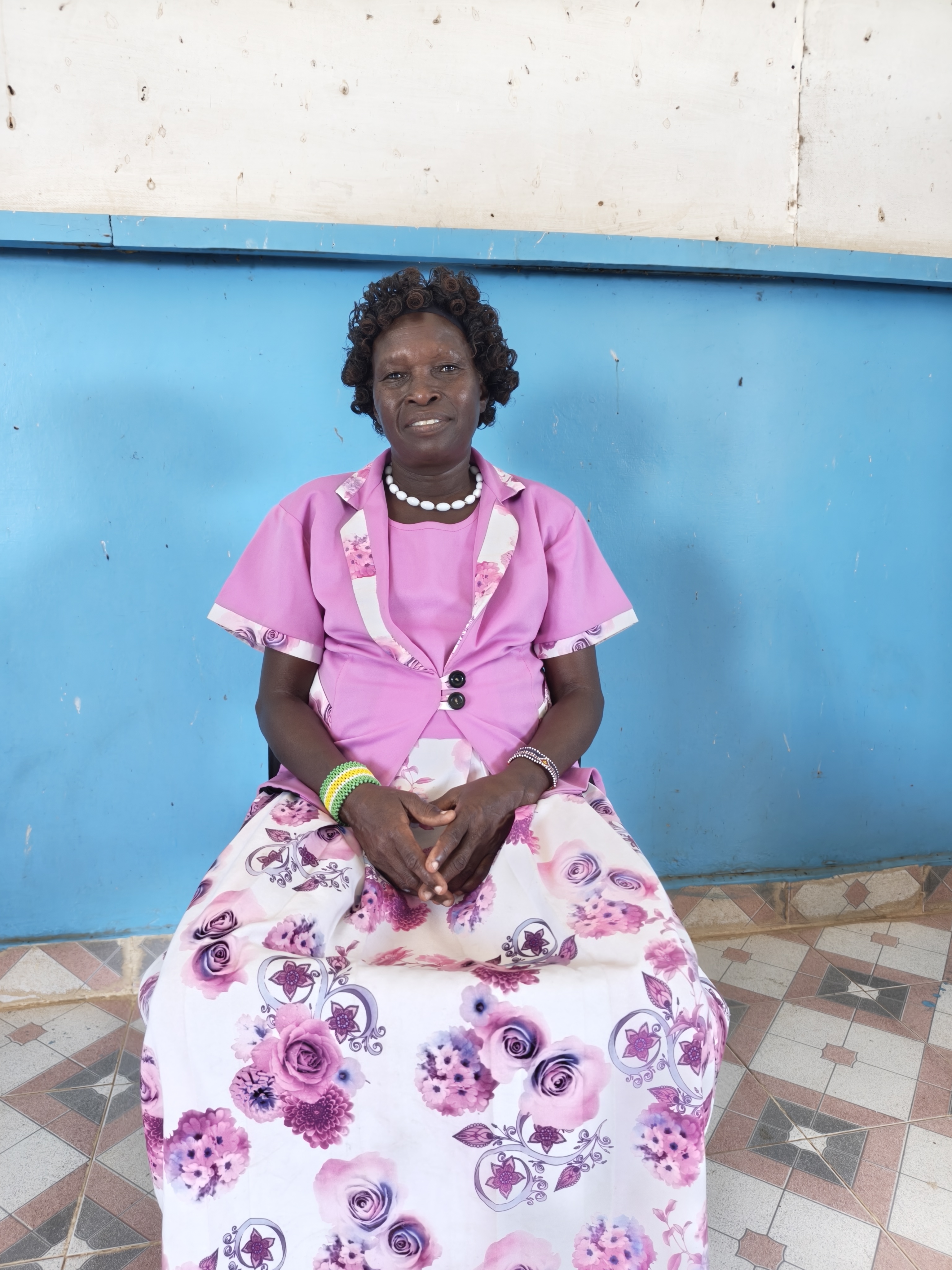
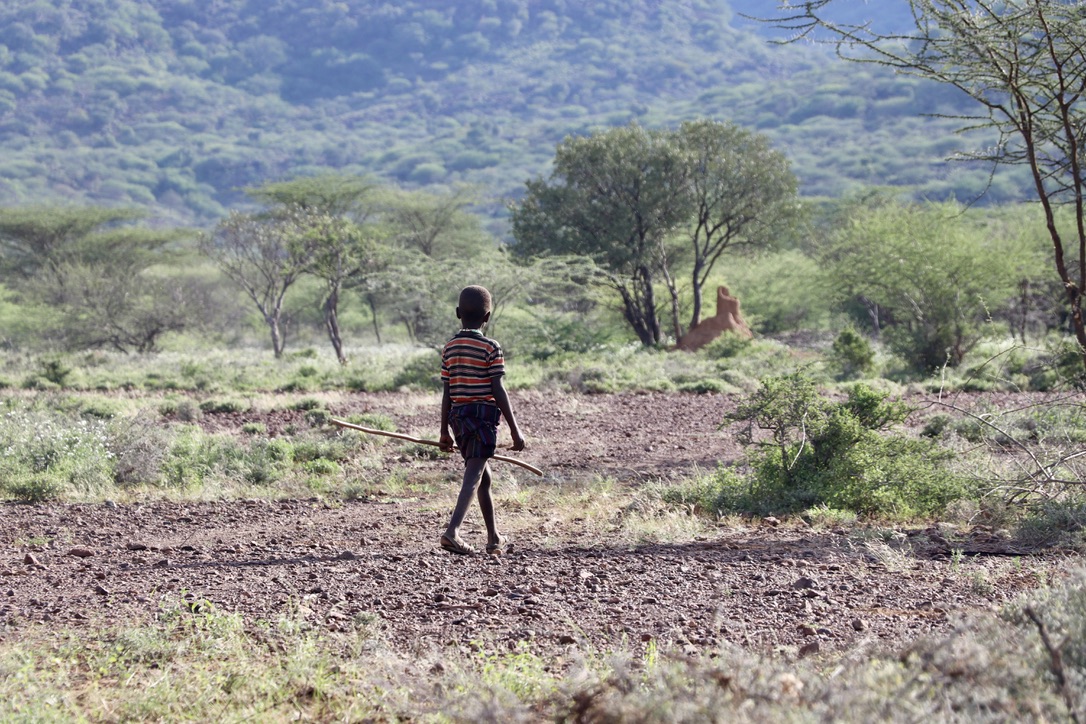
In Kenya and Tanzania, governments fund fee-free primary and secondary education — but only just. The Government of Tanzania provides AUD $3.60 and the Government of Kenya AUD $17 per enrolled child per year, with no funding at all for pre-primary children. In the marginalised rural communities where we work, parents cannot bridge that gap alone, and government health facilities face similar shortfalls.
Too often, international development arrives in the form of short-term aid that withdraws before lasting change takes hold. We challenge that model. Every So They Can partnership is structured, time-bound, and co-designed with governments and communities, with the exit planned and agreed from the outset.
How we embed sustainability
- Locally-led delivery: our teams are 100% nationals, based in the communities where we operate.
- Government partnership: every partnership is formalised with the relevant Ministry of Education, Ministry of Health and local authorities, strengthening public systems rather than creating parallel private models.
- Co-investment, not donation: communities contribute land, labour, parental support and a minimum 10% on infrastructure builds in Tanzania.
- Clear sustainability indicators: measured across infrastructure, school feeding, management, community engagement, child protection, income generation and teacher capability.
- Income generation: every partner institution establishes at least one Income Generating Activity, typically climate-smart farming, to fund operations after we exit.
- A clear exit strategy with post-exit monitoring: So They Can monitor for a further 5 years beyond exit to confirm that governance, resourcing and quality are durably in place.
In schools, this plays out across a 6–8 year development cycle: a Foundation Phase (Year 1) to establish the minimum learning environment; a Core Phase (Years 2–6) to deepen co-investment, build teacher capability and expand safe, inclusive infrastructure; and a Sustained Phase (Years 7–8, plus five years of post-exit monitoring) when the School Management Committee, teachers and community assume full responsibility.
The evidence of our model
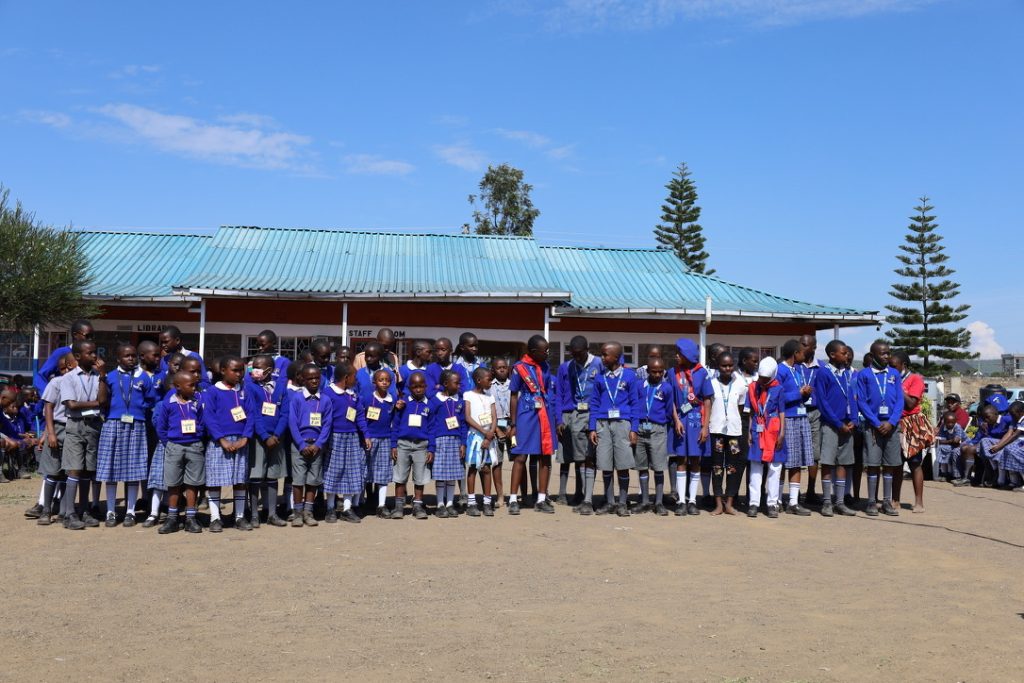
Our clearest evidence is Aberdere Ranges Primary School (ARPS) in Kenya, our founding project, that we exited in 2023. Two years on, 100% of Grade 6 students approached or exceeded learning expectations in the 2025 national exam, 97% of Grade 9 students met or exceeded expectations, and enrolment has grown from 1,068 to 1,285.
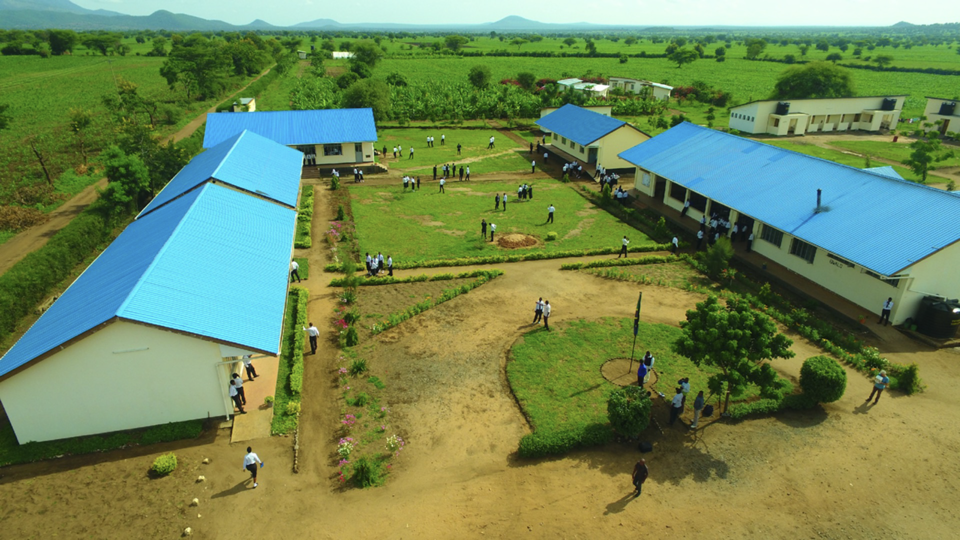
Mamire Teachers’ College in Tanzania (exited 2022) has graduated 1,155 teachers and now operates entirely under the Government of Tanzania, following a 10-year partnership with So They Can.
Investment pathways
Our model is proven, and ready to scale. AUD $3.6 million will carry all 43 of our current partner primary schools through to full sustainable exit. A further AUD $7.2 million will extend the model to 14 secondary schools in those same communities, so children can continue their educational journey through our holistic approach.
“With focused sustainability planning, strategic partnership, and steadfast commitment, So They Can is on track to leave an indelible and catalytic legacy.”
Quote from Independent Evaluator, Tanzania Program Evaluation Report (2019-2024).
You can read our full Sustainability Model Executive Summary here.
Join our mailing list
Together we can be the difference. Subscribe to our newsletter today.


So They Can is accredited by the Australian department of Foreign Affairs and Trade (DFAT), responsible for managing the Australian government’s development program. So They Can receives support through the Australian NGO Cooperation Program (ANCP).


So They Can is a registered charity in Australia (ABN 91 138 063 475), New Zealand (CC # 45673), a registered 501(c)(3) not-for-profit in the USA (EIN 47-1079440), and a UK charity with the Registered Charity Number 1213084.